Benefits of Smart Thermostats in Suffolk County Homes
The thermostat may be one of the smallest devices in your home, but it plays a major role in managing your comfort, energy usage, and monthly utility bills. In recent years, smart thermostats have emerged as one of the most accessible and impactful upgrades for homeowners — especially in regions like Suffolk County, where weather patterns vary greatly throughout the year.
More than just a digital interface, a smart thermostat learns your preferences, adjusts automatically to changing conditions, and gives you complete control over your home’s heating and cooling — even when you're not there. Whether you're looking to increase comfort, reduce energy consumption, or gain insights into how your home uses power, a smart thermostat is a powerful tool.
This article explores the specific benefits of smart thermostats for Suffolk County homeowners, how they work, and what to consider when upgrading from a traditional model.
What Is a Smart Thermostat?
A smart thermostat is an internet-connected device that allows users to control and automate temperature settings in a home or building. Unlike traditional programmable thermostats, smart versions:
- Connect to Wi-Fi for remote access
- Learn from user behavior and adjust settings automatically
- Provide energy usage reports and optimization tips
- Integrate with voice assistants and smart home ecosystems
- Adjust settings based on external weather data and occupancy
Popular brands like Google Nest, ecobee, Honeywell Home, and Emerson Sensi have made smart thermostat technology widely available, affordable, and compatible with most HVAC systems.
Top Benefits of Smart Thermostats for Suffolk County Residents
1. Energy Savings and Lower Utility Bills
One of the biggest advantages of installing a smart thermostat is energy efficiency. These devices reduce unnecessary HVAC usage by adjusting temperatures automatically based on your habits, home occupancy, and weather conditions.
In Suffolk County — where heating is essential in the winter and air conditioning is often needed through hot, humid summers — smart thermostats can offer significant cost savings. Some studies show savings of up to 10–15% on heating and cooling bills annually.
Energy-saving features often include:
- Auto-away settings that adjust temperatures when the home is empty
- Learning algorithms that fine-tune your schedule for efficiency
- Real-time usage feedback and monthly energy reports
- Weather tracking to anticipate temperature changes
2. Remote Access and Control
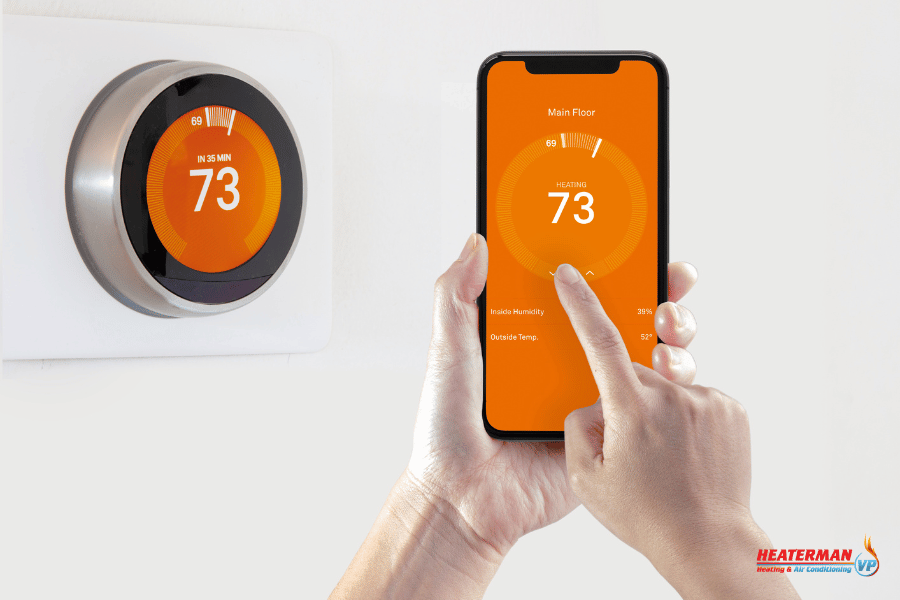
With a smart thermostat, you can control your HVAC system from anywhere via a mobile app. This is especially useful for:
- Adjusting the temperature before arriving home from work or vacation
- Managing a second property or rental unit
- Making sure the home is warm during cold Suffolk County mornings or cool during sudden heat waves
Remote access ensures that you’re never wasting energy on an empty home — or walking into one that’s uncomfortable.
3. Increased Comfort and Customization
Smart thermostats make it easier to maintain consistent, comfortable temperatures throughout the day and night. Many models offer:
- Room-by-room control when paired with sensors
- Smart scheduling that adapts to your daily routine
- Humidity control features for more stable indoor air during Suffolk County’s muggy summers
- Zoning capabilities that allow different temperature settings in different areas of the home
Whether you're sleeping, cooking, working from home, or entertaining guests, your thermostat can automatically optimize comfort levels based on your lifestyle.
4. Integration with Smart Home Ecosystems
For homeowners who use voice assistants like Amazon Alexa, Google Assistant, or Apple HomeKit, smart thermostats integrate seamlessly into your broader smart home setup. This allows for:
- Voice-controlled temperature adjustments
- Integration with lighting, security, and occupancy sensors
- Automation routines (e.g., turning down the heat when you leave and turning it back up when you return)
Smart thermostats act as a central component in a larger system of home automation that enhances convenience and efficiency.
5. Detailed Energy Usage Insights
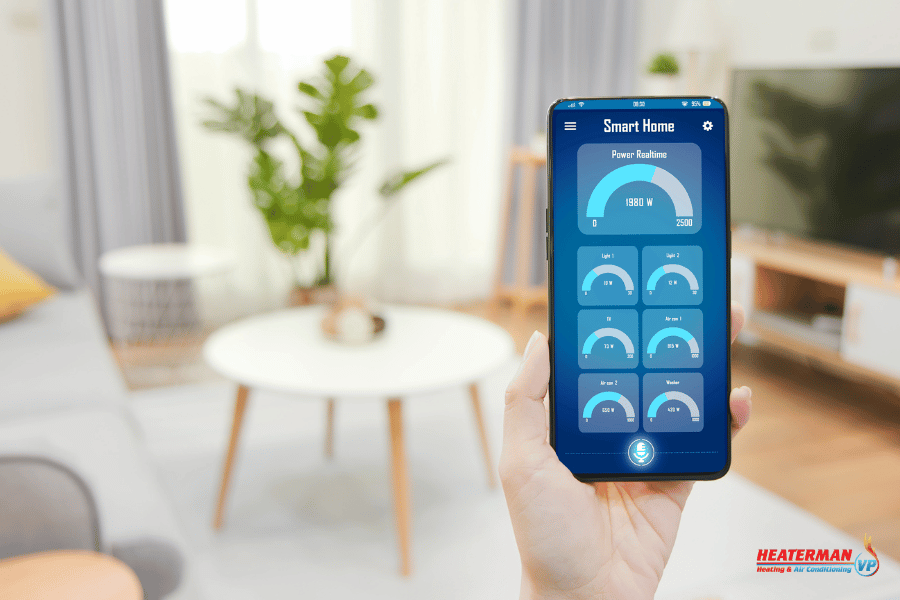
Most smart thermostat platforms include energy dashboards or monthly reports that help homeowners better understand how their system is performing. These insights often include:
- Daily and weekly usage trends
- Suggestions for improving efficiency
- Comparisons to similar households
- Real-time system monitoring to catch issues early
This transparency allows homeowners to make informed decisions about their energy use — a valuable tool given the high utility costs in Long Island.
6. Automatic Software Updates and Continuous Improvement
Because smart thermostats are connected to the internet, they regularly receive software updates that improve functionality, fix bugs, and introduce new features — all without any action required by the homeowner.
Unlike older programmable models that become outdated over time, smart thermostats evolve, becoming more useful and precise the longer they’re installed.
Smart Thermostats and Seasonal Changes in Suffolk County
Smart thermostats are especially useful in regions with wide seasonal swings, and Suffolk County is a prime example. These devices help adapt your home to local climate conditions year-round:
- Winter: Automatically lowers temperatures when you're asleep or away and reheats your home before you return. Some models include weather adaptation that kicks on the heat early during deep freezes.
- Spring & Fall: Handles unpredictable temperature swings with minimal intervention. Some systems even offer dual-fuel support, switching between electric and gas heat based on cost-efficiency.
- Summer: Manages cooling cycles more precisely, reducing humidity and preventing overcooling. It can also delay cooling during peak utility rate hours if integrated with your energy provider.
The result is not just better comfort — but a system that actively saves money during the most energy-intensive seasons.
Compatibility and Installation Considerations
While most modern HVAC systems are compatible with smart thermostats, homeowners should consider the following before making the switch:
- Wiring Requirements: Some smart thermostats require a C-wire for constant power. If your current system lacks one, an adapter or professional installation may be needed.
- HVAC Type: Ensure the thermostat supports your type of system — whether it's a heat pump, furnace, boiler, or dual-zone setup.
- Zoning and Sensors: If your home is large or has inconsistent temperatures, consider a system that supports multiple room sensors or zoning.
- Wi-Fi Connectivity: A stable home internet connection is necessary for remote access and updates. Poor connectivity can limit functionality.
While DIY installation is possible for many models, professional installation ensures correct wiring, compatibility, and integration with your existing HVAC equipment.
Are Smart Thermostats Worth It?
For many Suffolk County residents, the investment in a smart thermostat pays off relatively quickly. Here’s why:
- Lower monthly utility bills
- Reduced HVAC system wear and tear due to optimized run times
- Better indoor air quality through humidity and temperature control
- Greater visibility and control over energy use
- Enhanced comfort in every season
The cost of a smart thermostat typically ranges from $100–$250, with energy savings often offsetting the purchase price within the first one to two years. In some areas, utility providers even offer rebates for installing energy-efficient devices, further reducing out-of-pocket expenses.
Common Myths About Smart Thermostats
Despite their growing popularity, there are still some misconceptions surrounding smart thermostats:
“They're too complicated to use.”
Most models are designed for user-friendly interaction, and mobile apps offer intuitive controls. In fact, many users find them easier than traditional thermostats.
“They only work with new HVAC systems.”
Smart thermostats are compatible with most systems from the past 10–15 years and can often be retrofitted to older setups with simple upgrades.
“They need constant programming.”
Unlike programmable thermostats, smart models learn and adapt. After the initial setup, they require very little adjustment unless you want to fine-tune settings.
“They’re only for tech-savvy homeowners.”
While tech enthusiasts may take advantage of every feature, even basic users benefit from features like auto-adjustment, weather adaptation, and mobile access.
Smart thermostats offer Suffolk County homeowners a powerful combination of control, comfort, and cost savings. They represent a simple yet impactful step toward a more efficient, responsive home — one that adjusts to your life instead of the other way around.
Whether you're concerned about rising energy costs, want a more comfortable living space, or are building out a smart home system, smart thermostats deliver long-term value across every season. As energy efficiency and sustainability become more important in residential living, devices like these are no longer optional — they’re essential.